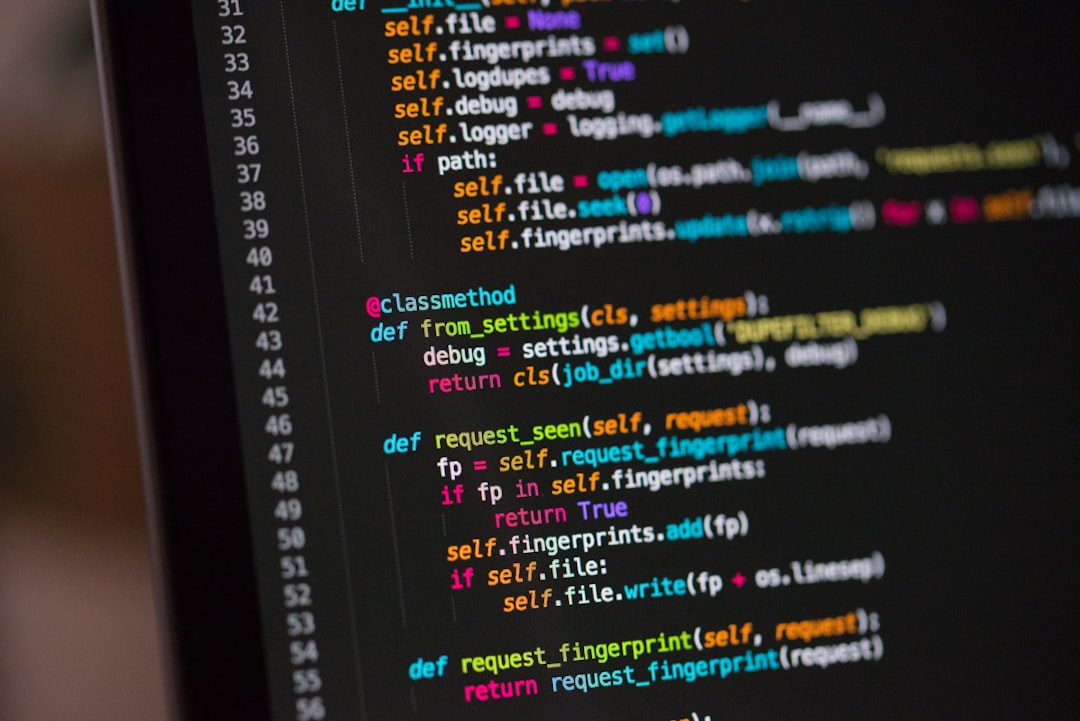
What is a Typical Day Like for a Frontend Developer
Morning Routine
A typical day for a frontend developer usually starts with a morning routine that involves checking emails, responding to messages from colleagues or clients, and reviewing the task list for the day. This can take around 30 minutes to an hour, depending on the complexity of the projects and the number of stakeholders involved. For example, a frontend developer working on a project that involves building a responsive website for a Nigerian e-commerce company like Jumia or Konga might spend the first 30 minutes of their day reviewing the design specifications and requirements provided by the design team, which could be using tools like Figma or Adobe XD.
After reviewing the task list, the frontend developer might spend some time reviewing code, checking for any updates or changes made by other team members, and updating their local codebase to reflect these changes. This can be done using version control systems like Git, and can take around 15-30 minutes, depending on the size of the project and the number of changes made.
Core Development Work
The core development work for a frontend developer typically involves writing code in HTML, CSS, and JavaScript, using frameworks like React, Angular, or Vue.js. This can take up the bulk of the day, around 4-6 hours, depending on the complexity of the task and the experience of the developer. For example, a frontend developer working on a project that involves building a single-page application might spend 4 hours writing code in JavaScript, using a framework like React, and another 2 hours debugging and testing the code.
Some of the specific tasks that a frontend developer might perform during this time include:
- Writing HTML and CSS code to create responsive and accessible user interfaces, using tools like CSS Grid or Flexbox
- Writing JavaScript code to add interactivity to web pages, using libraries like jQuery or Lodash
- Using debugging tools like Chrome DevTools or Firefox Developer Edition to identify and fix errors in the code
- Testing the code to ensure it works as expected, using tools like Jest or Cypress
- Collaborating with designers to ensure the implementation meets the design requirements, using tools like Zeplin or InVision
In terms of specific tools and technologies, a frontend developer might use a code editor like Visual Studio Code or Sublime Text, and might work with a project management tool like Asana or Trello to track progress and collaborate with team members. They might also use a version control system like Git to manage changes to the codebase, and might work with a continuous integration/continuous deployment (CI/CD) pipeline to automate testing and deployment of the code.
Collaboration and Communication
In addition to core development work, a frontend developer might also spend some time collaborating with other team members, such as designers, backend developers, and project managers. This can involve attending meetings, participating in discussions, and providing feedback on designs or code. For example, a frontend developer might spend 30 minutes attending a meeting with the design team to discuss the implementation of a new feature, or might spend an hour reviewing code written by a junior developer and providing feedback.
Some of the specific collaboration and communication tasks that a frontend developer might perform include:
- Attending daily stand-ups or weekly meetings to discuss progress and plans, using tools like Zoom or Google Meet
- Participating in code reviews to provide feedback on code written by other team members, using tools like GitHub or GitLab
- Collaborating with designers to ensure the implementation meets the design requirements, using tools like Figma or Sketch
- Providing feedback on designs or prototypes, using tools like InVision or Adobe XD
- Working with project managers to prioritize tasks and manage timelines, using tools like Asana or Trello
Overall, the day-to-day work of a frontend developer involves a mix of coding, collaboration, and communication, with a focus on building responsive, accessible, and user-friendly web applications. With the right tools and technologies, and a strong understanding of HTML, CSS, and JavaScript, a frontend developer can build a wide range of web applications, from simple websites to complex single-page applications.
How Quickly Can I Get Hired as a Backend Developer
Timeline to Get Hired
As a backend developer, the timeline to get hired can vary depending on several factors, including your prior experience, the technology stack you choose to learn, and the demand for backend developers in your location. However, with dedication and focus, you can develop the necessary skills to get hired as a backend developer within 6-12 months. This timeline can be broken down into several phases, including learning the basics of programming (2-3 months), learning a backend framework such as Node.js with Express.js or Python with Django (3-4 months), and gaining practical experience by working on personal projects or contributing to open-source projects (3-6 months).
For example, if you choose to learn Node.js with Express.js, you can start by learning the basics of JavaScript (1-2 months, ₦50,000 - ₦100,000 or $120 - $250 for online courses) and then move on to learn Node.js and Express.js (2-3 months, ₦80,000 - ₦150,000 or $200 - $350 for online courses). You can also learn by building small projects, such as a simple API or a web scraper, using tools like Postman (free) and MongoDB (free plan available).
Key Skills to Learn
To increase your chances of getting hired as a backend developer, you should focus on learning key skills, including:
- Programming languages: Java, Python, JavaScript, or Ruby
- Backend frameworks: Node.js with Express.js, Python with Django, or Ruby with Ruby on Rails
- Databases: MySQL, PostgreSQL, MongoDB, or Cassandra
- API design and development: RESTful APIs, GraphQL, or gRPC
- Version control: Git and GitHub
- Testing and deployment: JUnit, PyUnit, or Jest for testing, and Docker or Kubernetes for deployment
Learning these skills can take time, but it's essential to have a solid foundation in backend development to be competitive in the job market. You can learn these skills by taking online courses, such as those offered on Udemy (₦20,000 - ₦50,000 or $50 - $120 per course), Coursera (₦30,000 - ₦70,000 or $80 - $180 per course), or edX (₦20,000 - ₦40,000 or $50 - $100 per course), or by working on personal projects and contributing to open-source projects.
Salary Expectations
As a backend developer in Nigeria, you can expect to earn a salary ranging from ₦300,000 to ₦600,000 per month (approximately $750 to $1,500 USD), depending on your experience, location, and the company you work for. In Lagos, the average salary for a backend developer is around ₦420,000 per month (approximately $1,050 USD), while in Abuja, it's around ₦350,000 per month (approximately $875 USD). Keep in mind that these are general estimates, and your actual salary may vary based on your specific circumstances.
It's also worth noting that the demand for backend developers is high, and companies are often willing to pay a premium for skilled developers. According to a report by Glassdoor, the average salary for a backend developer in Nigeria is around ₦480,000 per month (approximately $1,200 USD), with some companies paying up to ₦1,000,000 per month (approximately $2,500 USD) for experienced developers.

Frontend vs Backend Salary in Nigeria
Understanding the Job Market
In Nigeria, the demand for tech professionals is on the rise, with both frontend and backend developers being sought after by companies. However, the salaries for these roles can vary significantly. According to data from job listings and salary surveys, the average salary for a frontend developer in Nigeria is around ₦250,000 - ₦400,000 (approximately $625 - $1,000 USD) per month, while backend developers can earn between ₦350,000 - ₦600,000 (approximately $875 - $1,500 USD) per month.
It's worth noting that these figures can vary depending on factors such as location, experience, and specific technologies used. For example, a frontend developer in Lagos may earn more than one in other parts of the country. Additionally, developers who specialize in in-demand technologies like React, Angular, or Vue.js for frontend, or Node.js, Python, or Ruby for backend, may command higher salaries.
Salary Ranges for Popular Technologies
- Frontend developers with expertise in React: ₦300,000 - ₦550,000 (approximately $750 - $1,375 USD) per month
- Frontend developers with expertise in Angular: ₦280,000 - ₦500,000 (approximately $700 - $1,250 USD) per month
- Backend developers with expertise in Node.js: ₦400,000 - ₦700,000 (approximately $1,000 - $1,750 USD) per month
- Backend developers with expertise in Python: ₦450,000 - ₦800,000 (approximately $1,125 - $2,000 USD) per month
These salary ranges are based on national averages and can vary depending on the specific company, location, and industry. It's also important to consider that these figures do not include non-monetary benefits, bonuses, or overtime pay that may be included in the total compensation package.
Salary Growth Over Time
As developers gain more experience and build a strong portfolio, their salaries can increase significantly. In Nigeria, it's not uncommon for experienced frontend developers to earn upwards of ₦600,000 - ₦1,000,000 (approximately $1,500 - $2,500 USD) per month, while senior backend developers can earn between ₦1,000,000 - ₦1,500,000 (approximately $2,500 - $3,750 USD) per month.
According to industry reports, the average salary growth for developers in Nigeria is around 15-20% per annum, although this can vary depending on individual performance and market conditions. With dedication and continuous learning, it's possible for developers to achieve significant salary growth over time, making a career in tech a lucrative and rewarding option.
Ultimately, the choice between frontend and backend development should not be based solely on salary considerations. Rather, it's essential to consider personal interests, skills, and career goals when deciding which path to pursue. By doing so, developers can set themselves up for success and build a fulfilling career in the tech industry.
Which Type of Developer is Currently in Higher Demand
When deciding between frontend and backend development, it's essential to consider the current demand for each type of developer. While both are crucial for a complete web application, the demand can vary based on industry trends, technological advancements, and company needs. Currently, the demand for backend developers is slightly higher than for frontend developers, especially in Nigeria.
Backend Development in High Demand
In recent years, there has been an increase in the demand for backend developers who can work with programming languages like Python, Java, and Ruby, and frameworks like Django, Spring, and Ruby on Rails. This is partly due to the rise of complex web applications, microservices architecture, and the need for robust, scalable, and secure backend systems. According to a report by Indeed, the average salary for a backend developer in Nigeria is around ₦450,000 - ₦700,000 (approximately $1,100 - $1,700 USD) per month.
Some of the in-demand backend technologies include:
- Node.js, with over 70% of companies using it as their primary backend technology
- Express.js, with over 40% of companies using it as their primary backend framework
- Python, with over 30% of companies using it as their primary backend programming language
Additionally, the rise of cloud computing has led to an increased demand for developers who can work with cloud platforms like Amazon Web Services (AWS), Microsoft Azure, and Google Cloud Platform (GCP). According to a report by LinkedIn, cloud computing is one of the most in-demand skills, with over 50% of companies looking for cloud professionals.
Frontend Development Still in Demand
While backend development may be in higher demand, frontend development is still a crucial aspect of web application development. With the rise of mobile devices and responsive web design, the demand for skilled frontend developers who can work with HTML, CSS, and JavaScript is still high. According to a report by Glassdoor, the average salary for a frontend developer in Nigeria is around ₦350,000 - ₦600,000 (approximately $850 - $1,450 USD) per month.
Some of the in-demand frontend technologies include:
- React.js, with over 60% of companies using it as their primary frontend framework
- Angular.js, with over 20% of companies using it as their primary frontend framework
- Vue.js, with over 10% of companies using it as their primary frontend framework
It's worth noting that the demand for frontend and backend developers can vary depending on the industry, company size, and location. However, in general, both frontend and backend developers are in high demand, and having a strong foundation in both can make you a more versatile and attractive candidate to potential employers.
In terms of timeline, it's possible to get hired as a backend developer within 6-12 months of dedicated learning, assuming you have a strong foundation in programming concepts and data structures. For frontend development, the timeline is similar, with many developers getting hired within 6-12 months of learning HTML, CSS, and JavaScript. However, it's essential to note that the job market is constantly evolving, and staying up-to-date with the latest technologies and trends is crucial for success in either field.

How to Choose Between Frontend and Backend Based on Your Personality
Understanding Your Daily Work Routine
When deciding between frontend and backend development, it's essential to consider what your daily work routine will look like. As a frontend developer, you'll spend most of your time designing and building user interfaces, working with tools like React, Angular, or Vue.js. You'll be responsible for creating visually appealing and interactive web pages, which means you'll need to have an eye for design and a good understanding of user experience (UX) principles. For example, if you're building a web application using React, you might spend around 4-6 hours a day writing JavaScript code, 2 hours reviewing design prototypes, and 1 hour testing and debugging.
In contrast, as a backend developer, you'll focus on the server-side logic, working with programming languages like Java, Python, or Ruby. You'll be responsible for creating APIs, managing databases, and ensuring the security and scalability of the application. A typical day for a backend developer might involve 5-7 hours of writing code in Python, 1-2 hours reviewing database schema designs, and 1 hour testing and optimizing API performance.
Personality Traits and Career Paths
Certain personality traits can make you more suited to either frontend or backend development. If you're a creative person who enjoys designing and building visually appealing interfaces, frontend development might be the better choice. On the other hand, if you're more analytical and enjoy solving complex problems, backend development could be a better fit. Here are some key personality traits to consider:
- Attention to detail: If you're meticulous and enjoy ensuring every detail is perfect, frontend development might be a good choice. You'll need to ensure that the user interface is pixel-perfect and functions as expected.
- Problem-solving skills: If you enjoy solving complex problems and debugging code, backend development could be a good fit. You'll need to troubleshoot issues with the server-side logic and optimize the application for performance.
- Communication skills: If you're a good communicator and enjoy working with designers, product managers, and other stakeholders, frontend development might be a better choice. You'll need to collaborate with cross-functional teams to ensure the user interface meets the product requirements.
Getting Hired and Career Prospects
In terms of getting hired, both frontend and backend developers are in high demand. However, the job market and career prospects can vary depending on your location and industry. In Nigeria, for example, the average salary for a frontend developer is around ₦400,000 - ₦700,000 (approximately $1,000 - $1,800 USD) per month, while the average salary for a backend developer is around ₦500,000 - ₦1,000,000 (approximately $1,200 - $2,500 USD) per month. According to Indeed, the average time to hire for a frontend developer is around 2-3 months, while the average time to hire for a backend developer is around 3-4 months.
Ultimately, the choice between frontend and backend development depends on your individual personality, skills, and career goals. It's essential to consider your strengths, weaknesses, and interests when making this decision. You might also consider taking online courses or attending coding boot camps to gain hands-on experience with both frontend and backend development. With dedication and hard work, you can become a skilled developer in either field and enjoy a rewarding career in tech.
Frequently Asked Questions
Should I learn frontend or backend development first?
Start with frontend development, as it involves creating user interfaces and is more visual, making it easier to see progress and stay motivated, with basics learnable in 1-3 months.
How long does it take to learn both frontend and backend development?
Learning both takes around 6-12 months, with 2-3 months for frontend basics and 3-6 months for backend basics, and 3-6 months for full-stack integration, costing ₦200,000 to $1,000.
Can I learn frontend and backend development simultaneously?
Yes, you can learn both simultaneously, but it may take longer, around 9-18 months, as you'll need to split your time and focus between the two, requiring strong time management skills.
Will learning one make it easier to learn the other?
Yes, learning one makes the other easier, as both share fundamental programming concepts, and learning frontend first helps with backend, as you'll understand user interface needs, making integration smoother.
Where to go from here
Webbo3 Academy runs live online classes taught by real instructors, with AI-guided lessons in between. If this is the direction you want, the next step is to see the course structure and what the first week covers. You can also register to get started.